How Short CPR Courses Help Busy Professionals Stay Prepared?
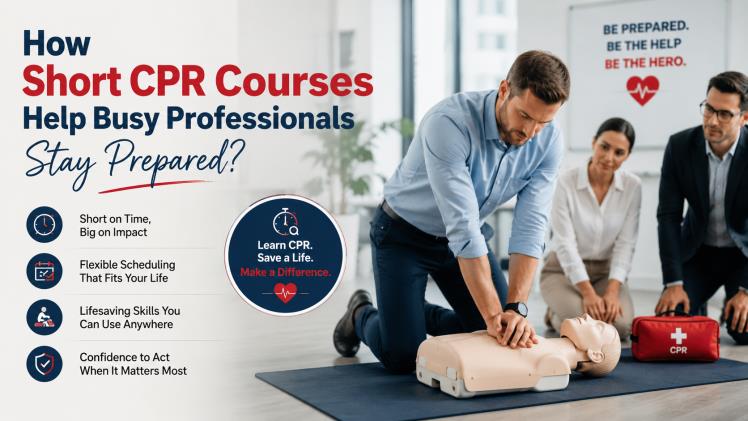
The modern workplace is fast-paced. Many workers manage packed calendars filled with meetings, deadlines, travel, and personal responsibilities. Despite these demands, emergency preparedness remains an important skill that many professionals do not want to overlook. This has led to growing interest in short CPR training programs that provide practical education in a time-efficient format.
Modern CPR courses are designed to help busy individuals stay prepared for emergencies without requiring long periods away from work or family commitments. These programs combine convenience with practical learning, making lifesaving education more accessible than ever before.
Time-Efficient Training Fits Modern Lifestyles
One of the biggest reasons professionals choose short CPR programs is convenience. Long training sessions can be difficult to schedule, especially for employees balancing demanding careers and personal obligations.
Short courses allow participants to complete important certification requirements in less time while still learning essential emergency response skills. This flexibility helps professionals maintain their qualifications without disrupting their work routines.
Training organisations such as Fast First Aid and CPR have contributed to the popularity of shorter learning formats by offering programs that focus on practical emergency techniques in an efficient structure. Professionals appreciate training that respects their limited availability while still delivering meaningful outcomes.
Emergency Preparedness Is Becoming A Workplace Priority
Many companies now place greater emphasis on health and safety awareness. Businesses understand that having employees trained in CPR can contribute to safer work environments and faster responses during emergencies.
Workers in industries such as hospitality, education, construction, fitness, childcare, and office administration may all encounter situations where immediate action becomes necessary. CPR skills can help stabilise a person until emergency medical services arrive.
Because workplace expectations continue evolving, many professionals view CPR certification as both a personal and professional advantage. Short training formats make it easier for employees to remain compliant with workplace safety standards.
Focused Learning Improves Knowledge Retention
Busy professionals often learn more effectively when information is delivered clearly and directly. Short CPR programs typically remove unnecessary complexity and focus on the most important emergency response skills.
Participants practice practical techniques such as chest compressions, breathing assistance, and emergency communication procedures through guided demonstrations and supervised exercises. This hands-on approach improves concentration and helps learners retain information more effectively.
A focused learning environment also reduces mental fatigue, which can occur during lengthy training sessions. Professionals are often able to absorb and remember practical techniques more successfully when lessons are concise and engaging.
Flexible Scheduling Encourages Participation
Many professionals delay CPR certification because they assume training will interfere with their work schedules. Short programs help remove this barrier by offering greater flexibility in course availability.
Morning, evening, and weekend sessions allow participants to choose training times that fit around their existing responsibilities. This accessibility encourages more individuals to complete certification rather than postponing it indefinitely.
The increasing demand for fast CPR training reflects how workers are seeking practical education that can fit comfortably into modern schedules without creating unnecessary stress.
Short Courses Support Ongoing Skill Updates
CPR guidelines and recommended procedures can change over time. Professionals who completed training years ago may benefit from refreshing their knowledge regularly to stay current with modern emergency response standards.
Short refresher courses provide a convenient way for workers to update their certification and reinforce existing skills without committing to extensive retraining programs. This allows professionals to remain confident in their ability to respond appropriately during emergencies.
Frequent skill updates also improve familiarity with emergency procedures, helping individuals react more calmly and efficiently if real situations occur.
Community Awareness Is Increasing
Public awareness surrounding emergency preparedness has grown significantly in recent years. Stories involving cardiac emergencies, workplace incidents, and public safety campaigns have encouraged more people to learn CPR.
Communities are increasingly recognising that emergency response skills should not be limited to healthcare professionals. Every day, individuals can also make meaningful contributions during critical situations.
The popularity of first aid Joondalup programs demonstrates how local communities are supporting accessible training opportunities for workers, parents, students, and business professionals seeking practical safety education.
Confidence Extends Beyond The Workplace
Many professionals initially complete CPR certification for career-related reasons, but the benefits often extend into personal life as well. Trained individuals may feel more prepared to assist family members, friends, or strangers during unexpected emergencies.
This confidence can reduce hesitation during stressful situations and encourage faster action when immediate support is needed.
Conclusion
Short CPR courses are helping busy professionals stay prepared by offering flexible, practical, and time-efficient emergency response education. Modern training formats allow individuals to gain valuable skills without disrupting demanding schedules or professional commitments. As awareness of workplace safety and emergency preparedness continues growing, shorter training programs will remain an increasingly popular solution for professionals seeking accessible certification options.