
Why should you consider telehealth over traditional visits?
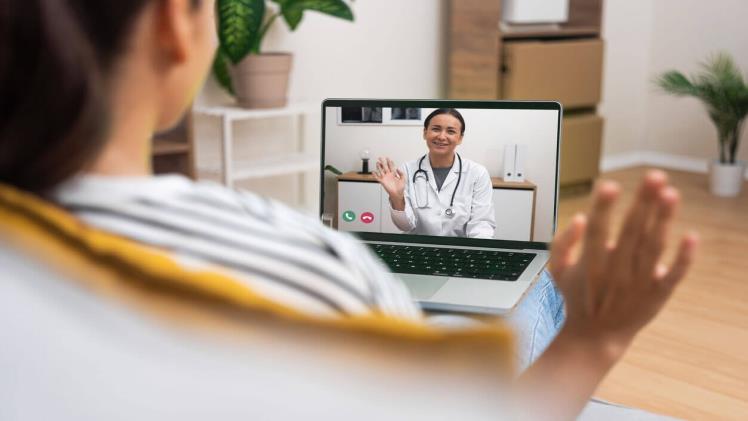
Medical appointments via video eliminate many obstacles to office visits. A telehealth consultation removes travel time and increases access to specialists. People with mobility problems, busy schedules, or transportation issues benefit from virtual care. Virtual appointments also cost less than in-person visits under many circumstances.
Time savings achieved
Driving to a clinic, sitting in waiting rooms, and driving back home consume hours. NextClinic eliminates this entire process. Patients log in from wherever they are at the scheduled time. Appointments start promptly without delays caused by previous patients running late. A visit that would take two hours with travel and waiting often finishes in 20 minutes virtually. Working adults lose less income when they don’t need extended time off. Parents avoid arranging childcare for long absences. Elderly patients skip exhausting trips that drain their energy. Those living far away from medical facilities save the most time. In-person visits are nearly impossible for some specialists due to distance. Virtual care bridges these geographic gaps. The convenience factor alone makes telehealth attractive for people juggling multiple responsibilities.
Infection exposure reduced
Medical waiting rooms concentrate sick people in small spaces. Contagious diseases spread easily in these environments. Patients visiting for unrelated issues often catch whatever is circulating. Immunocompromised individuals face serious risks from these exposures. Virtual visits completely avoid this hazard. Health conditions where infection avoidance matters include:
- Cancer patients undergoing chemotherapy with weakened immunity
- Organ transplant recipients taking immunosuppressive drugs
- Pregnant women are vulnerable to certain infections
- older adults whose immune systems function poorly
- Children who easily catch and spread respiratory viruses
Staying home protects the patient as well as others. It is possible to receive care for a contagious condition without spreading it. People have become more aware of disease transmission. Telehealth provides a practical solution that maintains care quality while protecting public health.
Specialist access expanded
Many communities lack medical specialists. Patients needing dermatologists often drive long distances or wait months for appointments. Telehealth connects patients with specialists anywhere in their state. Licensing rules require doctors to hold licenses in the state where patients live, but this still expands options dramatically. Mental health care benefits from virtual delivery. Therapists and psychiatrists conduct effective sessions through video. The privacy of the home actually helps some patients open up more freely. It is possible to manage depression, anxiety, and ADHD medications remotely. Physical exams are not required for follow-up appointments. Second opinions become easier to obtain when geography doesn’t limit choices.
Chronic disease management
Virtual visits let doctors review these numbers and adjust medications accordingly. This pattern of care works like office visits for stable patients. Home monitoring creates better data:
- Readings taken in natural environments reflect true daily patterns
- Multiple measurements over days show trends
- Patients engage more actively in tracking their health
- Doctors spot problems earlier through frequent check-ins
- Medication adjustments happen faster when needed
Elderly patients managing multiple conditions benefit from reduced appointment burden. Instead of traveling for brief medication checks, they video chat from home. Caregivers participate more easily in virtual visits. This model of care maintains medical oversight while respecting patient comfort.


