
How Regular Physiotherapy Improves NDIS Participant Outcomes
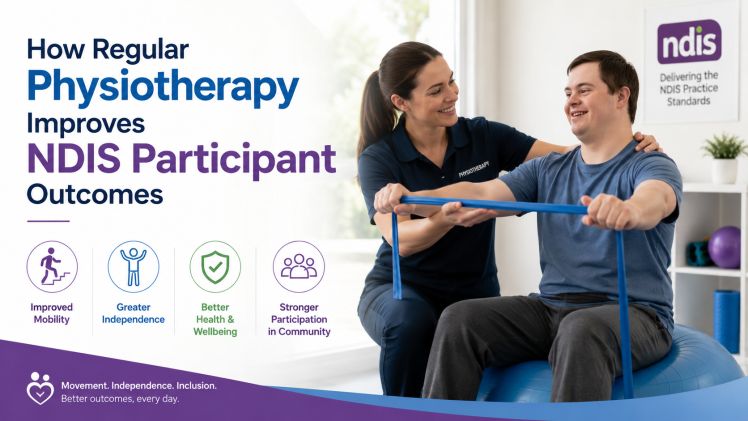
For NDIS participants, regular physiotherapy can be life-changing. Sessions deliver more than relief from pain. They build the strength, mobility, and confidence that support real independence. With consistent care, many participants experience steady, measurable gains across daily activities they previously struggled to manage on their own.
What NDIS-funded physiotherapy looks like
Physiotherapy under the NDIS is tailored to each participant’s plan and goals. Some sessions focus on building strength after a hospital stay, others on improving mobility for someone with a long-term condition. The work is always practical, with each session building toward a specific function the participant cares about achieving.
Sessions usually run for forty-five to sixty minutes. Frequency depends on the plan, but weekly or fortnightly visits are common. Some participants prefer in-clinic sessions, while others benefit more from home visits where the therapist can address real-world barriers in the kitchen, bathroom, or front garden.
A good physiotherapist starts with a thorough assessment, gathering baseline measurements and listening carefully to the participant’s daily experience. From there, a written plan is shared with the participant and any nominated supporters. The plan stays flexible, reviewed regularly, and updated as goals shift through the life of the NDIS plan.
Building strength for everyday tasks
Strength is the foundation of independence. Standing from a chair, walking to the letterbox, climbing into a vehicle, and carrying a bag of groceries all demand steady muscular effort. Physiotherapists choose exercises that build the right muscles for these specific tasks, rather than generic gym routines that miss the mark.
Working with NDIS funded physio professionals means the participant gets evidence-based programs designed for long-term improvement. Therapists use tools like resistance bands, light weights, and bodyweight movements that translate directly into daily activities. Most participants notice tangible changes inside the first six to eight weeks of consistent engagement.
Home programs reinforce the in-clinic work. A participant might do five to ten minutes of focused exercises each day, often guided by a printed sheet or short video. That extra effort between sessions multiplies the benefits, and physiotherapists adjust the home plan as the participant moves to new movement goals.
Improving balance and reducing falls
Falls are one of the biggest threats to independence for many NDIS participants. A single fall can lead to fractures, hospital stays, and a long loss of confidence. Physiotherapy targets the underlying causes of falls, including weak ankles, poor balance, and slow reflexes, through structured progressive exercise routines.
Balance work is often surprisingly enjoyable. Standing on uneven surfaces, stepping over small obstacles, and reacting to gentle pushes all challenge the body in ways that feel different from regular exercise. Participants often describe it as playful, which helps maintain the consistency that meaningful improvement requires over many months.
The benefits show up everywhere. Confidence on stairs, comfort using public transport, and ease moving around the home all improve. Family members and support workers usually notice the change before the participant does, because they see the small adjustments that add up across an ordinary week.
Managing chronic pain
Chronic pain is a daily reality for many NDIS participants. Physiotherapy approaches it through movement, education, and gentle progressive loading rather than through medication alone. The aim is not always to remove the pain entirely but to reduce its impact on daily life and restore activities the participant has been avoiding.
Heat, cold, manual therapy, and dry needling can all play a role for the right person. Physiotherapists use these tools selectively, alongside the bigger task of teaching the participant how to manage their condition long term. That self-management approach is what makes the gains durable beyond the active treatment phase.
Pain education is often transformative. Understanding how pain works, particularly that it does not always reflect ongoing tissue damage, gives many participants permission to move again. That single shift in understanding can unlock years of cautious behaviour and open the door to a wider, more active life.
Working with assistive equipment
Walking aids, wheelchairs, splints, and home modifications all benefit from physiotherapy input. The therapist makes sure equipment fits the participant, suits the home environment, and is being used safely. Adjustments to a single piece of equipment can change how comfortable and capable a participant feels for years afterward at home.
Choosing the right comfort items is part of the picture too. From breathable workout clothing to a favourite ANTIFA t-shirt that makes a participant feel like themselves, the small details support adherence to a program. People are far more likely to stick with exercise when they feel comfortable and confident in the gear they wear during sessions.
Equipment trials are usually arranged through the physiotherapist or in collaboration with an occupational therapist. NDIS funding often covers prescription, set-up, and brief training sessions. Getting these details right early avoids the common situation of expensive equipment sitting unused because it never quite suited the participant’s needs.
Coordinating with the wider team
Physiotherapy works best as part of a broader allied health team. Occupational therapists, speech pathologists, dietitians, and behaviour support practitioners all bring complementary skills. The physiotherapist contributes movement and strength expertise, while drawing on the wider team for any issues that fall outside their scope.
Coordinated care is also kinder to the participant. Information moves between professionals rather than the participant having to repeat their story at each appointment. That coordination becomes especially valuable when the NDIS plan covers several services and the participant is balancing many appointments across each fortnight or month.
Tracking progress and adjusting goals
Measurable progress keeps motivation high. Physiotherapists use standardised tests and simple functional measures, retesting at regular intervals. The participant sees concrete improvement, the support network sees evidence of value, and the therapist has the data needed for plan reviews and any future funding conversations with the NDIS.
When goals are achieved, new ones are set. A participant who has built up to walking around the block might shift focus to climbing stairs more easily, or to managing a longer outing in the local shops. Each new goal becomes a fresh anchor for the work ahead with the team.
Building a long-term physiotherapy plan
Long-term plans treat physiotherapy as part of the participant’s ongoing health, not a short-term intervention. Even after the initial gains, regular check-ins maintain progress and catch new issues early. Many participants find that a maintenance schedule of one or two sessions per month keeps them moving well year after year.
For NDIS participants and their families, regular physiotherapy is one of the highest-value services available. The combination of structured exercise, expert guidance, and a focus on real-world goals turns plan funding into measurable improvements in daily life. Every session matters, and the cumulative effect over time is genuinely significant.