
Hawthorn Capsules vs Tea vs Tincture: Which Format Fits Your Routine?
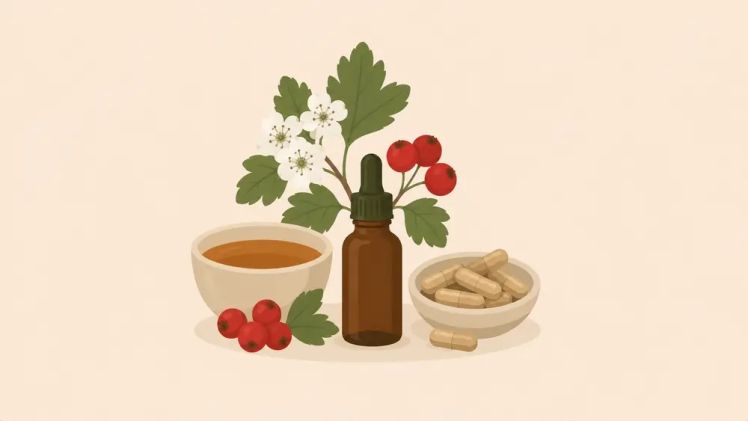
Hawthorn Capsules vs Tea vs Tincture is a practical format question. If you already know hawthorn but feel unsure about capsules, tea, tincture, dried berries, or powder, the best choice usually depends on taste, preparation time, serving consistency, alcohol preference, and how easy the routine feels day after day.
Hawthorn comes from Crataegus species, and products may use hawthorn berry, hawthorn leaf and flower, or a blend of plant parts. Secrets Of The Tribe treats this as a routine and label-reading topic: the format matters, but so do plant part, serving size, extract type, and medication cautions.
This article does not provide medical advice. Hawthorn supplements are not intended to diagnose, treat, cure, or prevent any disease. If you take heart medication, blood pressure medication, blood thinners, digoxin, beta-blockers, nitrates, or any prescription medicine, speak with a qualified healthcare professional before using hawthorn. Also ask a professional first if you are pregnant, breastfeeding, under 18, managing a heart condition, or buying for someone with a diagnosed health concern.
Hawthorn Capsules vs Tea vs Tincture: Quick Answer
Hawthorn capsules are usually easiest for people who want no taste, no preparation, and clear serving directions. Hawthorn tea fits people who enjoy a warm herbal ritual and do not mind steeping time. Hawthorn tincture works well for people who prefer a quick liquid serving, but it may have a strong taste and may contain alcohol.
Dried hawthorn berries are the most DIY-style option. They can be used for teas or homemade preparations, but they require more time, more measuring, and more preparation.
The best hawthorn format is the one you can use consistently while following the label directions and safety cautions.
Quick Comparison: Capsules, Tea, Tincture, and Dried Berries
| Format | Best For | Routine Fit | Watch-Out |
|---|---|---|---|
| Hawthorn capsules | No taste and easy serving | Take with water, often with food | Less flexible than liquid formats |
| Hawthorn tea | Warm herbal ritual | Steep and drink slowly | Requires preparation and cleanup |
| Hawthorn tincture | Quick liquid routine | Drops or milliliters in water | Strong taste and possible alcohol base |
| Dried hawthorn berries | DIY herbal users | Tea, decoction-style prep, or blends | More measuring and prep time |
| Hawthorn powder | People who like mixing formats | Capsules, smoothies, or drink blends | Taste and serving consistency can vary |
When Do Hawthorn Capsules Make More Sense?
Capsules make more sense when you want the simplest routine. Hawthorn Capsules hide the taste, travel well, and usually provide the clearest serving style.
For beginners, capsules can reduce friction. You do not need to steep tea, measure drops, strain berries, or handle loose plant material. You check the Supplement Facts panel, follow the serving directions, and keep the routine consistent.
The drawback is flexibility. Capsules are pre-portioned. If you prefer adjusting a liquid serving or making a warm drink, tea or tincture may feel more natural. But if your main goal is ease, capsules usually win.
When Does Hawthorn Tea Make More Sense?
Hawthorn tea makes more sense when you enjoy the process of preparing a warm herbal drink. Tea can feel slower, calmer, and more food-like than capsules or tincture.
Tea may use hawthorn berries, hawthorn leaf and flower, or a blend. The taste can vary depending on plant part, cut size, steeping time, and whether the tea uses berries, flowers, leaves, or other herbs.
The trade-off is time. Tea needs hot water, steeping, cleanup, and a moment to drink it. If you already skip tea because you feel rushed, capsules may fit your real routine better.
When Does Hawthorn Tincture Make More Sense?
Hawthorn tincture makes more sense when you want a fast liquid format. You measure drops or milliliters according to the label and often dilute the tincture in water.
Tincture can be convenient for people who already use liquid herbal extracts. It also avoids the preparation time of tea.
The drawbacks are taste and base. Hawthorn tincture may taste tart, bitter, earthy, woody, or alcohol-forward. Many tinctures use alcohol and water as the base. If you avoid alcohol, look for alcohol-free options such as glycerites, but still check the full label.
What About Dried Hawthorn Berries?
Dried hawthorn berries are a more hands-on option. They may appeal to people who enjoy DIY herbal routines, bulk herbs, warm drinks, and custom blends.
They require more effort than capsules. You need to measure the berries, prepare them, steep or simmer depending on the recipe style, and clean up afterward.
Dried berries also vary by cut, quality, freshness, storage, and preparation. If you want the lowest-effort option, capsules are easier. If you enjoy preparation, dried berries may feel more satisfying.
What Does Hawthorn Tea Taste Like?
Hawthorn tea can taste mild, tart, earthy, fruity, woody, or slightly floral depending on the plant part. Berry-based tea may have a more tart and fruit-like profile. Leaf-and-flower tea may taste lighter, greener, and more herbal.
Steeping time changes the taste. Longer steeping can make the tea stronger and more astringent. Blends with other herbs may soften the flavor.
If you dislike herbal taste, tea may not be the easiest option. Capsules usually have the least taste.
What Does Hawthorn Tincture Taste Like?
Hawthorn tincture usually tastes stronger than tea. The flavor may be tart, bitter, earthy, fruity, or alcohol-forward. Berry tinctures can feel sharper or fruitier. Leaf-and-flower tinctures may feel more herbal.
Diluting tincture in water may make the flavor easier. Some users prefer a small amount of water because the routine is quick.
If alcohol taste bothers you, check for a glycerite or alcohol-free liquid extract. Do not assume every tincture is alcohol-free.
Which Hawthorn Format Has the Least Taste?
Capsules usually have the least taste because the herb stays inside the capsule shell. This makes capsules the easiest choice for people who dislike tart, bitter, or earthy herbal flavors.
Tincture has the strongest taste for many people because it is concentrated and often alcohol-based. Tea sits in the middle because the flavor is spread through a full cup.
Dried berries can be pleasant for people who enjoy tart herbal drinks, but they are not the lowest-taste option.
Alcohol-Based vs Alcohol-Free Hawthorn Tincture
The tincture base matters. Alcohol-based hawthorn tinctures are common, but they do not fit everyone. People may avoid alcohol for personal, religious, medical, age-related, medication-related, or taste reasons.
Alcohol-free hawthorn products may use glycerin, water, vinegar, or another base. Glycerites often taste sweeter and softer than alcohol tinctures.
Alcohol-free does not automatically mean better or safer for every person. It simply changes the base. You still need to check botanical name, plant part, serving size, medication cautions, and quality information.
Serving Consistency: Which Format Is Most Predictable?
Capsules are usually the most predictable because each serving is pre-measured. You still need to check whether the listed amount is per capsule or per serving.
Tinctures can also be consistent if the label lists milliliters clearly. Drop counting can be less precise because drop size may vary with dropper design and liquid thickness.
Tea and dried berries are more variable. Herb amount, steeping time, water temperature, berry cut, and preparation style can all change the final cup.
How to Read a Hawthorn Format Label
| Label Detail | What to Look For | Why It Matters |
|---|---|---|
| Botanical name | Crataegus monogyna, Crataegus laevigata, or Crataegus spp. | Confirms plant identity |
| Plant part | Berry, leaf, flower, aerial parts, fruit, flowering tops | Shows what material is used |
| Format | Capsule, tea, tincture, dried berries, powder | Shows routine fit |
| Serving size | Capsules, drops, milliliters, grams, teaspoons, tea bags | Prevents guessing |
| Tincture base | Alcohol, glycerin, water, vinegar, or blend | Important for alcohol-free preference |
| Extract details | Ratio, standardization, or marker compounds | Helps compare extracts carefully |
| Warnings | Medication, pregnancy, heart condition, age guidance | Important before use |
Which Format Fits Travel Best?
Capsules usually travel best. They are light, compact, taste-free, and do not require water temperature, steeping, or liquid measuring beyond drinking water.
Tinctures can travel well in small bottles, but liquids may leak, break, or create airport packing issues. Alcohol-based tinctures may also be inconvenient for some travelers.
Tea bags are easy to pack, but you still need hot water and time. Dried berries are the least convenient for travel because they require more preparation.
Which Format Fits a Busy Morning?
Capsules fit a busy morning best. They can be paired with breakfast or a glass of water and require almost no preparation.
Tincture is also quick, but the taste may be too strong for some people first thing in the morning. Diluting it can help, but it still requires measuring.
Tea and dried berries are better for slower mornings. If your mornings are rushed, tea may turn into a routine you rarely follow.
Which Format Fits a Slow Evening Routine?
Tea is the best fit for a slow evening ritual if the product directions and your personal situation allow it. The warm drink format can feel more intentional than capsules.
Still, hawthorn timing should not be treated casually if you take medications or manage heart-related conditions. Ask a qualified professional before using hawthorn, especially if you are on prescription medicine.
Tincture can also fit an evening routine, but the alcohol taste or strong flavor may not be ideal for everyone. Capsules are the least ritual-like but the easiest.
Why Heart and Blood Pressure Claims Need Caution
Hawthorn is often discussed online in heart and blood pressure contexts. That makes responsible wording important. A format guide should not encourage people to self-manage heart symptoms or medication routines.
Hawthorn may interact with cardiovascular medications and other prescription drugs. If you use medication, professional guidance matters before format choice.
Secrets Of The Tribe takes a conservative editorial stance here: choose hawthorn formats by label clarity and routine fit, not by aggressive claims.
Safety Notes Before Choosing a Hawthorn Format
Do not use hawthorn supplements as a substitute for medical care. Do not use them to self-manage chest pain, shortness of breath, palpitations, fainting, swelling, blood pressure, heart failure, arrhythmia, or any diagnosed condition.
Ask a qualified healthcare professional before use if you take digoxin, beta-blockers, nitrates, blood pressure medication, blood thinners, heart medication, or prescription drugs.
Also ask before use if you are pregnant, breastfeeding, under 18, sensitive to herbs, or managing a chronic health condition.
Hawthorn Format Checklist
Use this checklist before choosing hawthorn capsules, tea, tincture, dried berries, or powder. The goal is to choose a format that fits your real routine while keeping label clarity and safety in view.
Choose Your Main Routine Need
Pick capsules for no taste, tea for ritual, tincture for quick liquid use, or dried berries for DIY preparation.
Confirm the Plant Part
Check whether the product uses hawthorn berry, leaf and flower, aerial parts, whole hawthorn, or a blend.
Read Serving Size First
Look for capsules, drops, milliliters, grams, teaspoons, or tea bags. Do not compare front-label numbers without serving context.
Check the Tincture Base
If choosing tincture, look for alcohol, glycerin, water, vinegar, or a blend. This matters for taste and alcohol-free preference.
Consider Taste Tolerance
If you dislike herbal or tart flavors, capsules are usually easier than tea or tincture.
Consider Prep Time
Tea and dried berries need more time. Capsules and tinctures are faster.
Review Medication Cautions
Ask a qualified professional before using hawthorn if you take heart, blood pressure, blood thinner, or prescription medications.
Avoid Claim-Based Buying
Do not choose a format because of heart or blood pressure promises. Choose based on label clarity, suitability, and professional guidance when needed.
Common Format Mistakes to Avoid
Assuming Tea Is Always Gentler
Tea feels gentle, but it can still contain active plant compounds. Medication cautions still matter.
Assuming Tincture Is Always Stronger
Tincture may taste stronger, but serving size, plant part, and extract details determine the label meaning.
Ignoring Alcohol in Tinctures
Many tinctures use alcohol. If alcohol avoidance matters, check the base before buying.
Comparing Capsules and Dried Berries Too Quickly
Capsules, dried berries, and tea use different serving systems. Compare carefully.
Skipping Plant Part
Hawthorn berry, leaf and flower, and whole hawthorn are not automatically the same.
FAQ about Hawthorn Capsules vs Tea vs Tincture
Which is easier: hawthorn capsules, tea, or tincture?
Hawthorn capsules are usually easiest because they have no taste, need no preparation, and offer clear serving directions.
What does hawthorn tea taste like?
Hawthorn tea may taste mild, tart, earthy, fruity, woody, or floral depending on the plant part and steeping time.
Does hawthorn tincture taste strong?
It can. Hawthorn tincture may taste tart, bitter, earthy, woody, fruity, or alcohol-forward.
Which hawthorn format has the least taste?
Capsules usually have the least taste because the herb stays inside the capsule shell.
Does hawthorn tincture contain alcohol?
Many hawthorn tinctures contain alcohol, but some alcohol-free products use glycerin, water, vinegar, or blends.
Are dried hawthorn berries easy to use?
They are flexible but require more preparation, measuring, and cleanup than capsules or tincture.
Can I compare hawthorn capsules and tincture by milligrams?
Not directly. Capsules, tinctures, teas, and dried berries use different serving systems and preparation methods.
What should I check on a hawthorn label?
Check botanical name, plant part, format, serving size, tincture base, extract details, quality notes, and medication warnings.
Who should ask a professional before using hawthorn?
Anyone taking heart medication, blood pressure medication, blood thinners, digoxin, beta-blockers, nitrates, or prescription drugs should ask a qualified professional first.
Glossary
Hawthorn
A common name for plants in the Crataegus genus.
Crataegus
The botanical genus name for hawthorn.
Hawthorn Berry
The fruit of hawthorn, commonly used in teas, capsules, powders, and tinctures.
Hawthorn Leaf and Flower
The leaves and flowering parts of hawthorn, often used in teas and extracts.
Tincture
A liquid herbal extract used according to product label directions.
Glycerite
A liquid extract made with glycerin, often used as an alcohol-free format.
Dried Berries
Hawthorn fruit dried for teas, DIY preparations, or herbal blends.
Serving Size
The amount listed on the label for one use, such as capsules, drops, milliliters, grams, or tea bags.
Extract Ratio
A ratio that describes the relationship between starting plant material and final extract.
Alcohol-Free
A product format that does not use alcohol as the main extraction or carrier base.
Conclusion
Hawthorn Capsules vs Tea vs Tincture comes down to routine fit: capsules are easiest, tea is best for a warm ritual, tincture is quick but stronger-tasting, and dried berries suit DIY users. Before choosing, check plant part, serving size, tincture base, and medication cautions.
Sources
Hawthorn safety overview and medication interaction cautions, National Center for Complementary and Integrative Health — nccih.nih.gov/health/hawthorn
Hawthorn leaf and flower traditional herbal medicinal product monograph, European Medicines Agency — ema.europa.eu/en/medicines/herbal/crataegi-folium-cum-flore
European Union herbal monograph for Crataegus species leaf with flower, European Medicines Agency — ema.europa.eu/en/documents/herbal-monograph/final-european-union-herbal-monograph-crataegus-spp-folium-cum-flore_en.pdf
Assessment report describing hawthorn leaf and flower material and preparation types, European Medicines Agency — ema.europa.eu/en/documents/herbal-report/final-assessment-report-crataegus-spp-folium-cum-flore_en.pdf
Hawthorn leaf with flower Commission E monograph and plant material description, American Botanical Council HerbalGram — herbalgram.org/resources/commission-e-monographs/monograph-approved-herbs/hawthorn-leaf-with-flower
Hawthorn supplement overview and medication cautions, WebMD — webmd.com/vitamins-supplements/hawthorn
Dietary supplement consumer guidance and label-reading basics, U.S. Food and Drug Administration — fda.gov/food/information-consumers-using-dietary-supplements/questions-and-answers-dietary-supplements
Hawthorn pharmacology and cardiovascular medication interaction review, PubMed — pubmed.ncbi.nlm.nih.gov/11887407