
The Impact Of Vocational Education On Workforce Development
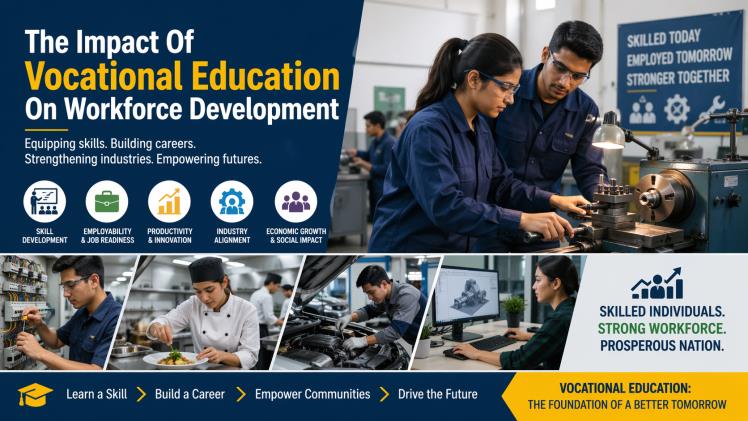
A trained and flexible workforce is shaped in large part by vocational education. Practical, job-ready skills are becoming more and more important as sectors change and technology changes how people work. By training people to meet actual job needs and promoting economic development and productivity, vocational paths help close this gap.
Developing Employment-Ready Skills For Contemporary Industries
Vocational education’s emphasis on hands-on learning is among its greatest accomplishments. Vocational training places more emphasis on practical experience, industrial tools, and real-world situations than typical academic programs. From the first day on the job, this method guarantees that students are not only aware but also capable of carrying out responsibilities effectively.
Individuals may educate others, evaluate capabilities, and support workforce development from inside enterprises thanks to programs like the Cert IV in Training and Assessment. As a result, industrial competencies are further strengthened when qualified individuals go on to become instructors.
Closing The Knowledge And Work Gap
The mismatch between what students learn and what businesses want is a widespread problem in many countries. By matching course material to industry demands, vocational education tackles this problem. Hiring applicants who are already familiar with workplace norms helps employers by eliminating the need for intensive onboarding and training.
This connection is particularly crucial in industries that need technological know-how, safety awareness, and compliance. Courses like HLTAID011 Provide First Aid guarantee that people have vital life-saving abilities that may be used in a variety of settings, including business and construction. Such training boosts worker confidence and readiness while improving workplace safety.
Promoting Productivity And Economic Growth
Economic growth is directly impacted by a trained labour force. Businesses can run more effectively, innovate more quickly, and grow more confidently when people have the necessary skills. Vocational education lowers skill shortages and boosts overall productivity by ensuring a consistent supply of skilled people across all industries.
Furthermore, compared to conventional degrees, vocational courses can provide quicker access into the industry. This enables people to contribute to economic activities and begin earning sooner. The value of funding vocational education as a tactic to boost national competitiveness is becoming more widely acknowledged by governments and organisations.
Promoting Career Flexibility And Lifelong Learning
The workforce of today is dynamic. Professionals routinely switch careers, industries, or jobs. By providing flexible study opportunities and short-term certificates that enable people to upskill or reskill as required, vocational education supports this dynamic environment.
Professionals may advance into training jobs or improve their current positions by enrolling in a program like Cert IV Training and Assessment Melbourne, for instance. This flexibility creates new employment prospects while ensuring that individuals stay relevant in a labour market that is always evolving.
Enhancing Workplace Standards And Compliance
Maintaining good standards across sectors is another important function of vocational education. Many sectors require employees to meet specific certifications and regulatory requirements. Training programs ensure that individuals understand best practices, safety protocols, and quality benchmarks.
This not only protects employees but also improves organisational reputation and customer trust. Skilled workers who are trained through vocational systems are more likely to adhere to standards, reducing errors and increasing efficiency in operations.
Strengthening Industry Collaboration
Another key impact of vocational education is the strong connection between training providers and industries. Courses are often developed in collaboration with employers, ensuring that the curriculum remains relevant and up to date. This partnership creates a feedback loop where industry trends influence education, and education supports industry growth.
Work placements, apprenticeships, and on-the-job training opportunities further enhance this collaboration. Learners gain exposure to real work environments, while employers have the chance to identify and nurture future talent.
Empowering Individuals And Communities
Beyond economic benefits, vocational education empowers individuals by providing them with practical skills that lead to meaningful employment. People from a variety of backgrounds, including some who would not follow conventional academic paths, are given possibilities by it.
Communities also benefit when more individuals are employed and skilled. This leads to improved living standards, reduced unemployment, and stronger local economies. Vocational education fosters independence and confidence, enabling individuals to contribute positively to society.
Conclusion
The impact of vocational education on workforce development is both broad and profound. By focusing on practical skills, industry relevance, and flexible learning pathways, it prepares individuals to meet the demands of modern workplaces. It supports economic growth, enhances productivity, and empowers people to build sustainable careers.
The significance of vocational education will only grow as industries continue to change. Investing in these programs is not just about training individuals. It is about building a resilient, capable, and future-ready workforce that can adapt, innovate, and thrive in a rapidly changing world.