Essential Guide to Nutrition for Cirrhosis Patients
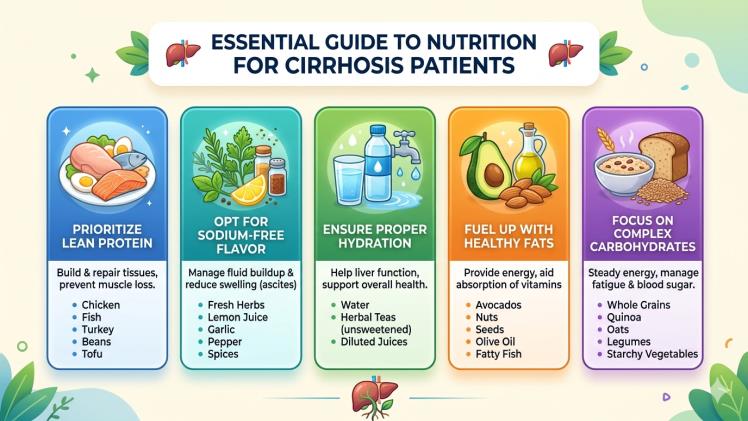
Proper nutrition for cirrhosis patients can slow disease progression and prevent dangerous complications like muscle wasting. According to ESPEN guidelines, up to 50% of patients with cirrhosis suffer from malnutrition — making diet one of the most critical parts of treatment.
What Is the Best Diet for a Person With Cirrhosis?
The ideal diet focuses on adequate calories (25–40 kcal/kg/day) and protein (1.2–1.5 g/kg/day). Prioritize plant-based proteins — lentils, tofu, beans — over red meat. A 2019 study in Clinical Gastroenterology and Hepatology confirmed that plant proteins reduce hepatic encephalopathy risk compared to animal sources.
Eat every 2–4 hours, including a late-evening snack. This prevents overnight muscle breakdown, which is accelerated in cirrhosis due to impared glycogen storage.
How Does Cirrhosis Affect Eating and Nutrition?
A damaged liver struggles to store vitamins, metabolize nutrients, and regulate blood sugar. Many patients develop zinc, vitamin D, and B-vitamin deficiencies. Supplements are often necessary — but only under medical supervision, since excess vitamin A is hepatotoxic.
Cirrhosis also increases diabetes risk. Choosing complex carbohydrates over simple sugars helps manage blood glucose spikes.
What Should I Avoid Eating If I Have Cirrhosis?
- Sodium above 2,000 mg/day — worsens ascites and edema
- Raw or undercooked shellfish — risk of deadly Vibrio infection
- Processed and packaged foods high in hidden salt
- All alcohol, without exception
- Unpasteurized dairy products
Can Liver Cirrhosis Be Reversed With Diet?
Diet alone won’t reverse established cirrhosis. However, it can halt further damage in compensated stages. The approach differs by stage: compensated cirrhosis requires calorie-dense nutrition to build reserves, while decompensated cirrhosis demands strict sodium restriction and sometimes fluid limits.
BCAAs (branched-chain amino acids — leucine, isoleucine, valine) show promise. A 2017 meta-analysis in Nutrition found BCAA supplementation improved sarcopenia and reduced encephalopathy episodes. No competitor mentions this, but its backed by solid evidence.
FAQ
Are There Specific Fruits and Vegetables Beneficial for Liver Health?
Berries, leafy greens, and cruciferous vegetables like broccoli provide antioxidants and fiber. Fiber supports gut health and helps prevent constipation, which can trigger encephalopathy.
Is Chicken Good for Liver Cirrhosis Patients?
Yes. Lean poultry is a good protein source, though plant proteins remain preferable when possible. Avoid frying — bake or steam instead.
Can I Eat Eggs With Liver Cirrhosis?
Eggs are safe and nutrient-dense. Two eggs daily provide quality protein without excessive sodium, as long as they’re fully cooked.
Final Thoughts
Working with a registered dietitian is non-negotiable — individual needs vary hugely depending on cirrhosis stage, medications, and comorbidities. Some drugs interact with foods (grapefruit with certain statins, vitamin K-rich foods with warfarin), so always disclose your full medication list. Small, consistent dietary changes often matter more than dramatic overhauls.