
Why do pests return even after basic treatment methods are used?
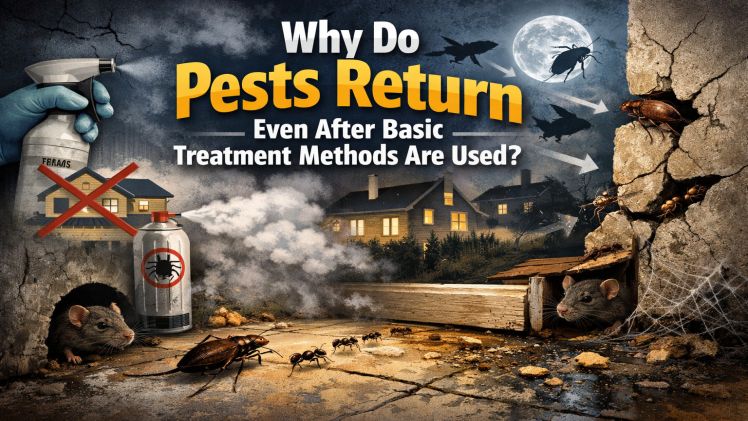
Pest infestations can be a frustrating and recurring problem for homeowners and businesses alike. After investing time and money into basic treatment methods, it is disheartening to see pests reappear, sometimes even more aggressively than before. Many people assume that a single application of sprays or traps will solve the issue, but the reality is often more complex. Understanding why pests return is crucial for developing a more effective and lasting solution. This article delves into the reasons behind recurring pest problems and offers insights into how to achieve more permanent results.
Why basic treatments often fail
The resilience of common pests
Many pests have evolved to survive in a wide range of environments, making them incredibly resilient to basic treatment methods. Cockroaches, ants, rodents, and bed bugs, for example, have developed resistance to many over-the-counter pesticides and can quickly adapt to changes in their surroundings. When a basic treatment is applied, it may only affect the visible population, leaving behind eggs, larvae, or hidden adults that can repopulate the area. Additionally, pests are skilled at finding new entry points and hiding spots within a property, making it difficult to eliminate them entirely with simple solutions. This resilience is a key reason why infestations often return, even after what appears to be a successful initial treatment.
Incomplete coverage and hidden nests
One of the most significant challenges in pest management is ensuring that every potential hiding place and nesting site is treated. Many basic methods, such as sprays or traps, only target pests that are out in the open. However, most pests prefer to nest in hidden, hard-to-reach areas like wall voids, attics, basements, and behind appliances. If these areas are not addressed, the pests that remain hidden can continue to breed and eventually emerge, causing a resurgence of the infestation. For residents seeking pest control Elgin, understanding the importance of thorough and comprehensive treatment is essential for long-term relief from recurring pest problems.
Environmental factors and attractants
Pests are drawn to environments that provide them with food, water, and shelter. Even after a treatment, if these attractants remain, pests will continue to return. Crumbs on the floor, leaky pipes, and cluttered storage areas all serve as invitations for pests to settle in. Seasonal changes can also play a role, as certain pests become more active during specific times of the year, seeking warmth or moisture indoors. Without addressing these underlying environmental factors, basic treatments will only provide temporary relief. Effective pest management requires a holistic approach that includes sanitation, exclusion, and ongoing monitoring to reduce the likelihood of pests returning.
The importance of ongoing prevention
A single treatment is rarely enough to keep pests away for good. Ongoing prevention is necessary to break the cycle of infestation and ensure that pests do not return. This involves regular inspections, maintenance, and the use of targeted treatments as needed. Homeowners and property managers should focus on sealing entry points, repairing leaks, and maintaining cleanliness to make the environment less hospitable to pests. Professional pest management services often offer maintenance plans that include scheduled visits and proactive measures, which can be more effective than relying solely on basic, one-time treatments. Consistency and vigilance are key to achieving lasting results.
Short-term solutions versus long-term strategies
Many people turn to basic treatment methods because they are quick and convenient, but these solutions often provide only short-term relief. Long-term strategies require a more comprehensive approach that addresses the root causes of infestations. This may include structural repairs, landscape modifications, and changes in daily habits to reduce attractants. Integrated pest management (IPM) is a holistic strategy that combines multiple control methods and emphasizes prevention, monitoring, and education. By focusing on long-term solutions rather than quick fixes, property owners can significantly reduce the chances of pests returning and enjoy a healthier, pest-free environment.
Professional help and advanced methods
While basic treatments can be effective for minor infestations, more persistent or severe problems often require professional intervention. Pest management professionals have access to advanced tools, products, and techniques that are not available to the general public. They can conduct thorough inspections, identify the specific species involved, and develop customized treatment plans that target the entire pest population, including hidden nests and breeding sites. Professionals also provide valuable advice on prevention and maintenance, helping property owners avoid future infestations. Investing in professional services can save time, money, and frustration in the long run by providing more reliable and lasting results.
Conclusion
Recurring pest problems are a common source of frustration for many property owners, but understanding the reasons behind their persistence is the first step toward effective control. Basic treatment methods often fail because they do not address hidden nests, environmental attractants, or the need for ongoing prevention. Pests are highly adaptable and can quickly repopulate areas that are not thoroughly treated. By adopting a comprehensive approach that includes regular maintenance, environmental management, and, when necessary, professional assistance, it is possible to achieve long-term relief from pests. Taking proactive steps and focusing on lasting solutions will help ensure a healthier, more comfortable living or working environment free from unwanted intruders.