When to Replace Versus Repair Your Existing Lawn
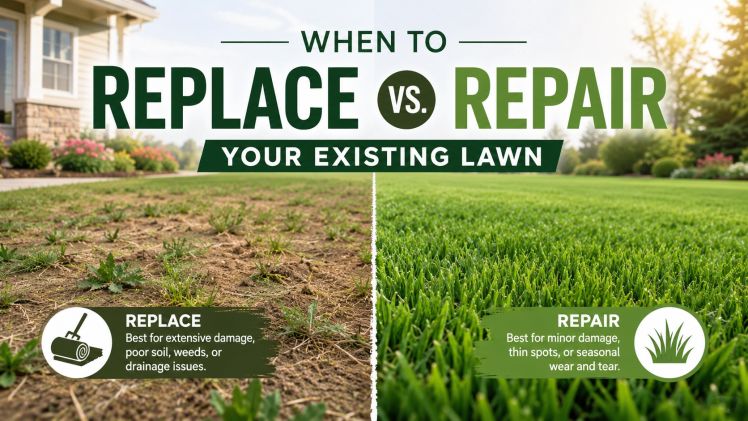
A tired lawn does not always need to be replaced. Sometimes a few targeted repairs and a season of patient care bring it back. Other times, the underlying problems are too far gone and a complete relay is the only sensible path. Knowing which situation you are in saves time, money, and frustration.
Reading the early warning signs
Lawns rarely fail overnight. The clues build slowly, starting with patches of yellowing, thinning grass along high-traffic paths, and weed species creeping in around the edges. Spotting these signs early gives the homeowner a real chance to repair rather than replace, which is almost always the cheaper choice.
Compaction is one of the most common quiet killers. Heavy use, vehicles, or a few hot summers without aeration can leave the soil hard enough to resist water and root growth. Pushing a screwdriver into the lawn after watering tells you a lot: if it struggles to penetrate, compaction is the issue.
Drainage problems are equally common. Soggy patches that linger for days after rain suggest the soil structure is failing. Without correction, those patches host moss, weeds, and disease. Catching that pattern early lets the homeowner spike-aerate, top dress, and recover the lawn without the cost of a full relay.
Repairs that often work
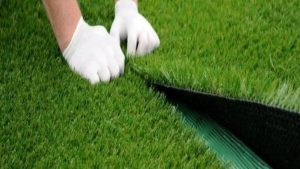
Small bare patches respond well to simple over-seeding or to plugging in offcuts of fresh turf. The work takes an afternoon, and within a few weeks the patch knits into the surrounding lawn. Water carefully through that establishment period, and the repair is usually invisible by the next mowing cycle.
Premium turf supplies in Wollongong and surrounding regions deliver small rolls or slabs perfect for spot repairs. A reputable supplier will match the variety in your existing lawn, which is the difference between a seamless patch and one that stands out in colour and texture for a couple of years.
Thatch build-up can usually be solved without replacing the lawn. A specialised dethatching rake or a hired scarifier lifts the dead organic layer that sits between the soil and the live grass. After dethatching, a light top dressing and a feed encourage the lawn to fill in any thin patches.
When repair is no longer enough
There are moments when repairs simply cannot keep up. If more than thirty per cent of the lawn is bare, severely weed-infested, or affected by disease, full replacement starts to make more sense. The patchwork approach becomes endless, and the homeowner often spends more on partial fixes than a relay would have cost.
Wrong-grass-for-the-site is another tipping point. A cool-season grass struggling year after year in a hot, dry yard will never thrive, no matter how much repair work is invested. Replacing it with a suitable warm-season variety usually produces dramatic improvements within a single growing season after installation.
Severe compaction or poor underlying soil structure also pushes the decision toward replacement. Once the soil itself is the problem, repairing the visible lawn is treating the symptom rather than the cause. A full relay, with proper soil preparation underneath, is the only way to deliver a long-lasting result.
Costing each option honestly
The real comparison is not just dollars spent today. A series of partial repairs across two or three years can quietly add up to more than a single full replacement, especially when irrigation upgrades, fertiliser, and weed treatment are included. A simple spreadsheet sometimes makes the choice obvious in five minutes.
Time also matters. Repairs spread the effort across many weekends, each producing a partial result. A full relay concentrates the disruption into a couple of weeks, and the homeowner steps back into a fresh lawn. Households planning to entertain through summer often prefer the concentrated disruption of replacement.
Property value plays a role too. A struggling lawn drags down kerb appeal, which matters at sale time. Homes presented for sale or appraisal almost always benefit from a tidy, established lawn, and the cost of replacement is generally recouped many times over in the final selling price.
Choosing the right replacement grass
If replacement is the right path, grass choice becomes the first big decision. Buffalo, couch, kikuyu, and zoysia varieties all have their place across Australian climates. Sun exposure, soil type, expected wear, and water availability all matter, and a reputable turf supplier guides homeowners through the trade-offs honestly.
Local research helps too. Reading Perth small business news, Sydney property forums, or regional gardening communities provides candid views from homeowners who have lived with each variety for several years. That on-the-ground feedback often complements the technical information available from suppliers and online resources.
The same conversation includes thinking about future use. A young family with children and a dog needs hard-wearing turf. A couple who entertains often might prefer a softer variety underfoot. Matching the grass to actual household use saves frustration and produces a lawn that genuinely fits the way the home is lived in.
Preparing for a full relay
A full relay starts with site preparation. The old lawn is removed, the soil is amended where needed, and the surface is graded to drain properly. This stage takes longer than most homeowners expect, but skipping it is the most common reason new lawns fail within their first year of installation.
Irrigation review is the next step. If a system is in place, check sprinkler coverage, replace worn parts, and consider upgrading to drip lines or smart controllers. Putting these changes in before turf is laid is far cheaper than retrofitting them later, and the supplier can usually recommend a trusted installer.
After the work is done
Whether you have repaired or replaced, the first few months are critical. Watering, mowing height, and feeding schedules all need careful attention while the lawn establishes. Most failures happen in this window, and most successes come down to following a sensible care plan from the supplier or installer involved.
Document what you have done. A simple note in a household file recording variety, installation date, fertiliser products, and watering schedule pays off years later. When something changes, you know what was working before, and any professional you bring in has a head start on diagnosing the issue.
When to bring in a professional
Some lawns benefit from a one-hour visit by a turf specialist before any work starts. A professional eye can quickly identify whether repair or replacement is the right path, and which specific problems are driving the decline. That single consultation often saves homeowners thousands by pointing them toward the right intervention.
For most Australian backyards, the choice between repair and replacement comes down to honest assessment of what is wrong, how widespread the problem is, and how long the lawn needs to last. Get those answers right, and either path produces a lawn that the household will enjoy for years to come.